Summary: When a tenant refrigerator stops working, the situation can quickly become an urgent maintenance issue for landlords and property managers. A prompt, practical response can help protect the tenant’s food, reduce frustration, and get the rental property back to normal as quickly as possible.
When the Fridge Fails, Landlords Need a Game Plan
When a tenant refrigerator stops working, a landlord needs to respond quickly. The tenant worries about keeping food cold, while you need to determine what went wrong, whether the refrigerator can be repaired, and how quickly you can arrange service.
For property managers and landlords operating in Colorado Springs and the surrounding area, the best approach is straightforward: get specific information from the tenant, rule out a few simple problems, arrange professional diagnosis when necessary, and then make an informed repair-or-replace decision.
What to Do When a Tenant Refrigerator Stops Working: First Steps
Start by finding out exactly what the refrigerator is doing. A tenant may say the refrigerator “stopped working,” but that can mean anything from a power loss to a freezer that works while the fresh-food compartment stays warm.
Ask the tenant:
- Does the refrigerator have power?
- Are the interior lights or controls working?
- Is the refrigerator running but not getting cold?
- Is the freezer still cold?
- Are there unusual clicking, buzzing, rattling, or other noises?
- When did the problem start?
Getting these details early can make the next step easier and help avoid an unnecessary service call for a simple issue.
If the refrigerator isn’t keeping food at a safe temperature, the tenant should also minimize how often they open the doors. The more warm air that enters the appliance, the harder it is to keep food inside safe from bacteria and illness.
You Might Like: Discover the Ideal Refrigerator Temperature to Keep Your Food Fresh
Have the Tenant Perform Basic, Safe Checks
When a tenant refrigerator stops working, troubleshooting should remain simple. You don’t want a tenant taking apart an appliance, working around electrical components, or attempting a repair that could cause additional damage or create a safety risk. A few low-risk checks may help identify an easy-to-correct problem.
Confirm the Refrigerator Has Power
Ask whether the interior light or control panel comes on. The tenant can also make sure the refrigerator hasn’t accidentally been unplugged and determine whether there is an obvious household power issue.
If there are signs of damaged wiring, an electrical smell, sparking, or another electrical concern, don’t ask the tenant to investigate further; contact the refrigerator repair technicians at Reliable Appliance Repair right away.
Check the Temperature Settings
Temperature controls can occasionally be changed accidentally while loading groceries, cleaning the refrigerator, or moving items around. When a tenant refrigerator stops working, have them verify that the controls are set appropriately according to the manufacturer’s recommendations.
Make Sure the Doors Close Properly
A food container, drawer, shelf, or other item can prevent a refrigerator door from closing completely. A damaged door seal can also allow cold air to escape. The tenant can check for obvious obstructions and make sure the door closes normally.
Check for Blocked Airflow
Packing a refrigerator too tightly can interfere with normal airflow. If food or containers are pushed directly against interior vents, moving those items may help.
Leave panel removal, internal part replacement, wiring work, and refrigeration-system repairs to a qualified appliance repair professional, like the team at Reliable Appliance Repair.
Read More: Why Is My Refrigerator Running but Not Cooling?
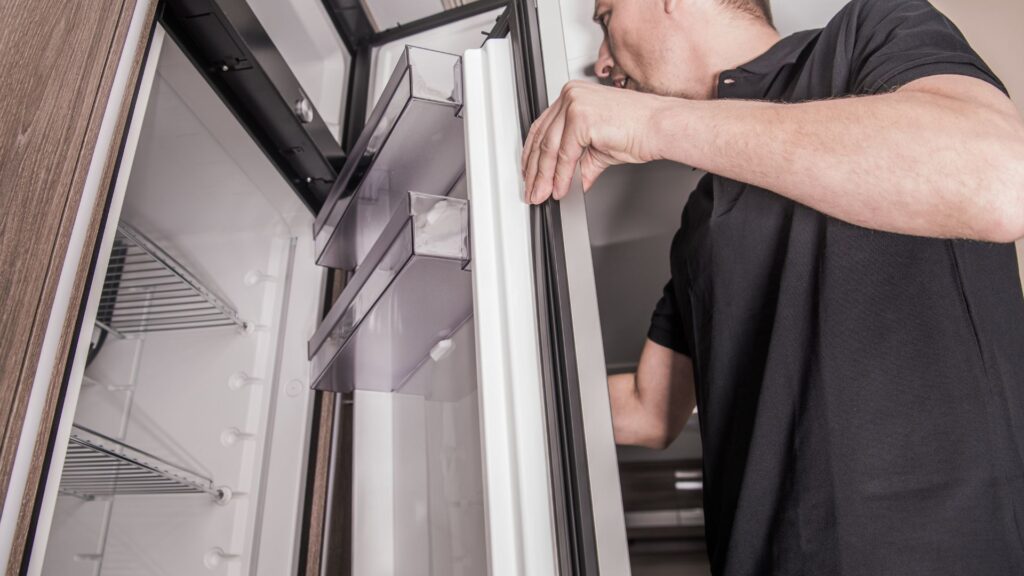
Refrigerator Stops Working
When Should a Landlord Schedule Refrigerator Repair?
If a tenant refrigerator stops working and basic checks don’t restore normal operation, professional service is usually the next step.
Consider scheduling refrigerator repair when:
- The refrigerator has power but isn’t keeping food cold.
- The freezer is cold, but the refrigerator compartment is warm.
- The refrigerator runs constantly but doesn’t cool properly.
- The appliance repeatedly starts and stops.
- Water is leaking from the appliance.
- The refrigerator is making unusual or persistent noises.
- The door isn’t sealing correctly.
- The tenant reports an unexplained burning smell or possible electrical problem.
Landlords should follow their rental agreements and normal property-management procedures when responding to appliance maintenance requests. If the refrigerator was supplied with the rental property, reviewing the lease can help clarify repair responsibilities, authorization, and communication procedures.
Should You Repair or Replace the Tenant’s Refrigerator?
A refrigerator breakdown doesn’t automatically mean the appliance needs replacing.
For a landlord, when a tenant refrigerator stops working, replacing the refrigerator can involve more than buying a new unit. Delivery charges, removing the old refrigerator, scheduling, property access, installation, and additional tenant coordination may also apply.
Before making that decision, consider:
- Age of the refrigerator: An older appliance may be closer to the point where replacement makes financial sense.
- Overall condition: Age matters, but so does how well the rest of the refrigerator is holding up.
- Estimated repair cost: A straightforward repair may cost much less than replacement.
- Previous repair history: An appliance that repeatedly requires service may be a weaker candidate for another repair.
- Type of failure: Some refrigerator problems are more practical to repair than others.
- Plans for the rental property: An upcoming renovation, sale, or appliance upgrade may affect your decision.
A professional diagnosis by an appliance repair technician, like Reliable Appliance, gives you better information to make that call. The goal isn’t to keep every aging refrigerator running indefinitely or to replace an appliance every time something fails. It’s to make a practical decision based on the refrigerator’s condition and the cost of getting the rental back to normal.
See More: Why is My Refrigerator Filling with Water?
Get Help With a Broken Rental Refrigerator in Colorado Springs
When a tenant refrigerator stops working, you don’t need to guess whether the appliance needs a minor repair or complete replacement.
Reliable Appliance Repair helps landlords, property managers, rental agencies, and homeowners in Colorado Springs and the surrounding Pikes Peak area with refrigerator repair problems and other appliance failures. If a tenant’s refrigerator isn’t cooling, is leaking, is making unusual noises, or has stopped working altogether, the Reliable Appliance Repair team can diagnose the problem and help you determine whether refrigerator repair or replacement is the practical next step.
If your tenant has reported a refrigerator problem, contact Reliable Appliance Repair to schedule service for your Colorado Springs rental property.
FAQs
What should a landlord do first when a tenant refrigerator stops working?
Start by getting specific information from the tenant. Ask whether the refrigerator has power, whether it is running, whether the freezer is still cold, whether there are leaks or unusual noises, and when the problem began. You can safely check the power, settings, door closure, and airflow before scheduling professional service.
Should a landlord repair or replace a broken rental refrigerator?
It depends on the refrigerator’s age, condition, repair history, type of failure, and estimated repair cost. A professional diagnosis can give you the information needed to compare the value of repairing the existing appliance with the total cost of replacement.
Can a tenant arrange refrigerator repair without the landlord?
Tenants should follow their lease and the property’s maintenance procedures before authorizing repairs. When a tenant refrigerator stops working, contacting the landlord or property manager first can prevent confusion about repair authorization, scheduling, access, and payment.
How quickly should a landlord respond when a tenant says the refrigerator isn't cooling?
Address a refrigerator problem promptly because food can become unsafe as temperatures rise. Ask the tenant for details, have them do only safe basic checks, and arrange professional service if the refrigerator still isn’t cooling properly. Prompt communication also helps reduce tenant frustration and keeps the maintenance issue moving toward a resolution.